
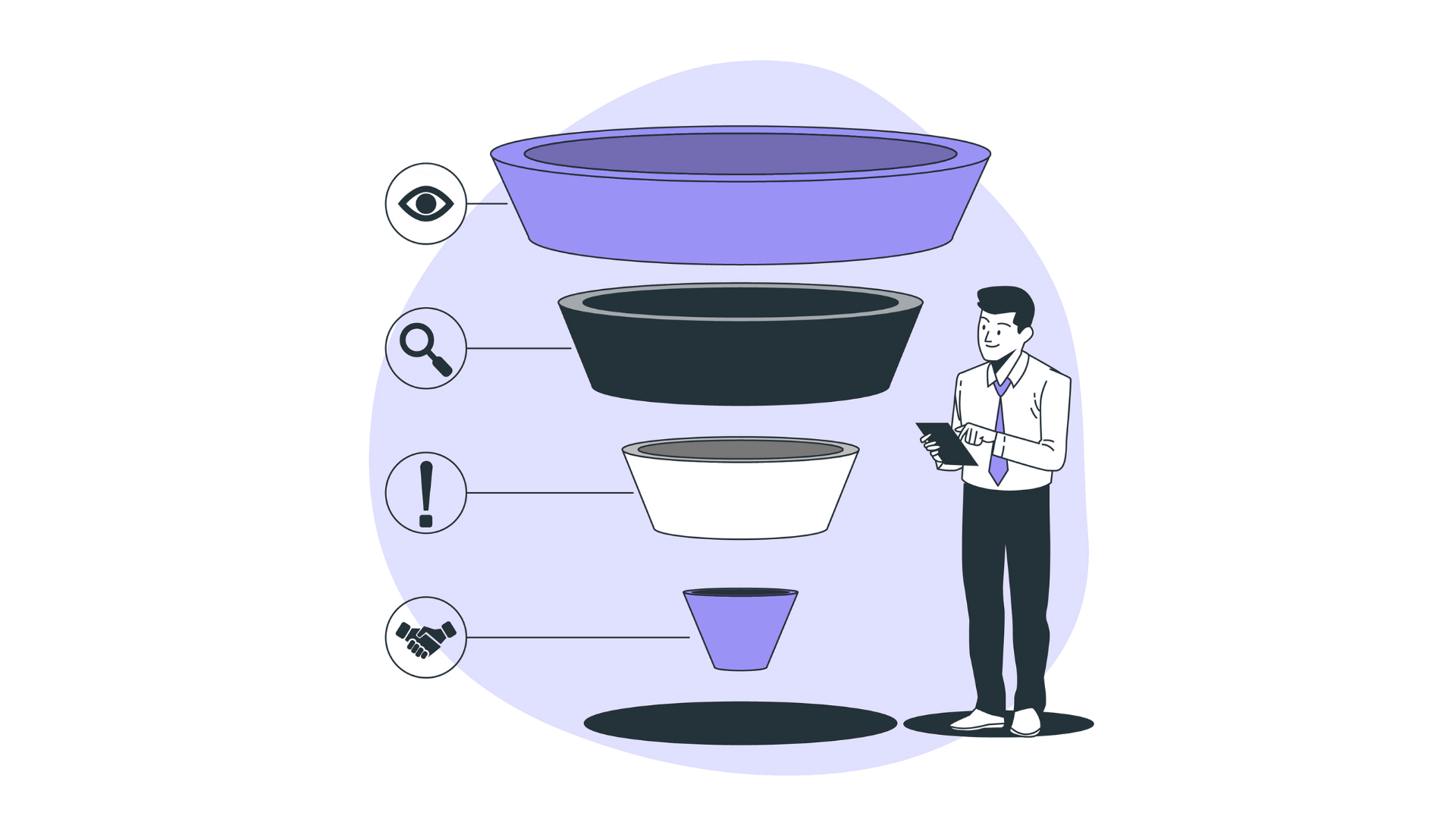
Every business wants to guide potential customers from first contact to becoming paying customers, but the journey is not handled by one funnel alone. There are two funnels at play: the marketing funnel and the sales funnel. Both are important parts of the customer journey, but they serve different roles.
The marketing funnel helps attract customers through awareness campaigns, content marketing and social media ads. It focuses on reaching a wide target audience, nurturing leads and building trust until they are ready to talk to sales. The sales funnel, on the other hand, takes qualified leads and moves them through the sales process, handling objections, offering solutions and converting them into loyal customers.
Understanding the key differences between the sales funnel vs marketing funnel can help marketing and sales teams work in sync. When marketing efforts and sales efforts are aligned, businesses generate leads more efficiently, reduce customer acquisition costs and ensure that fewer opportunities slip through the cracks.
The marketing funnel is a model that shows how marketing teams attract and nurture prospective customers before they are ready to buy. It begins with the awareness stage, where marketing campaigns, social media ads and content marketing introduce people to your brand. From there, marketing departments work to keep the audience engaged with marketing strategies such as landing pages, case studies and customer testimonials.
The role of the marketing funnel is to generate leads, reduce customer acquisition costs and prepare qualified leads for the sales team. By using marketing automation, tracking funnel metrics in tools like Google Analytics and experimenting with different marketing techniques, marketing and sales teams can make sure every marketing effort is measured and optimised.
The traditional marketing funnel usually has four stages, though some models expand further:
Some marketing funnels also include loyalty programs and retention tactics, helping businesses turn new customers into loyal customers.
The sales funnel focuses on what happens after the marketing funnel hands over qualified leads. Once potential customers show intent, the sales team takes over. The sales funnel consists of a narrower, high-touch process that guides prospective customers toward becoming paying customers.
Unlike the marketing funnel, which relies on broad marketing channels and awareness campaigns, the sales funnel takes a direct and personalised approach. Sales reps engage with customers, answer questions and manage the sales pipeline through calls, demos, negotiations and follow-ups. Sales automation tools are often used to make the sales process more efficient.
A sales funnel is typically divided into these main stages:
In many businesses, the sales funnel also extends beyond the purchase to include post-sale activities like customer feedback collection and nurturing loyal customers, which supports long-term business growth.
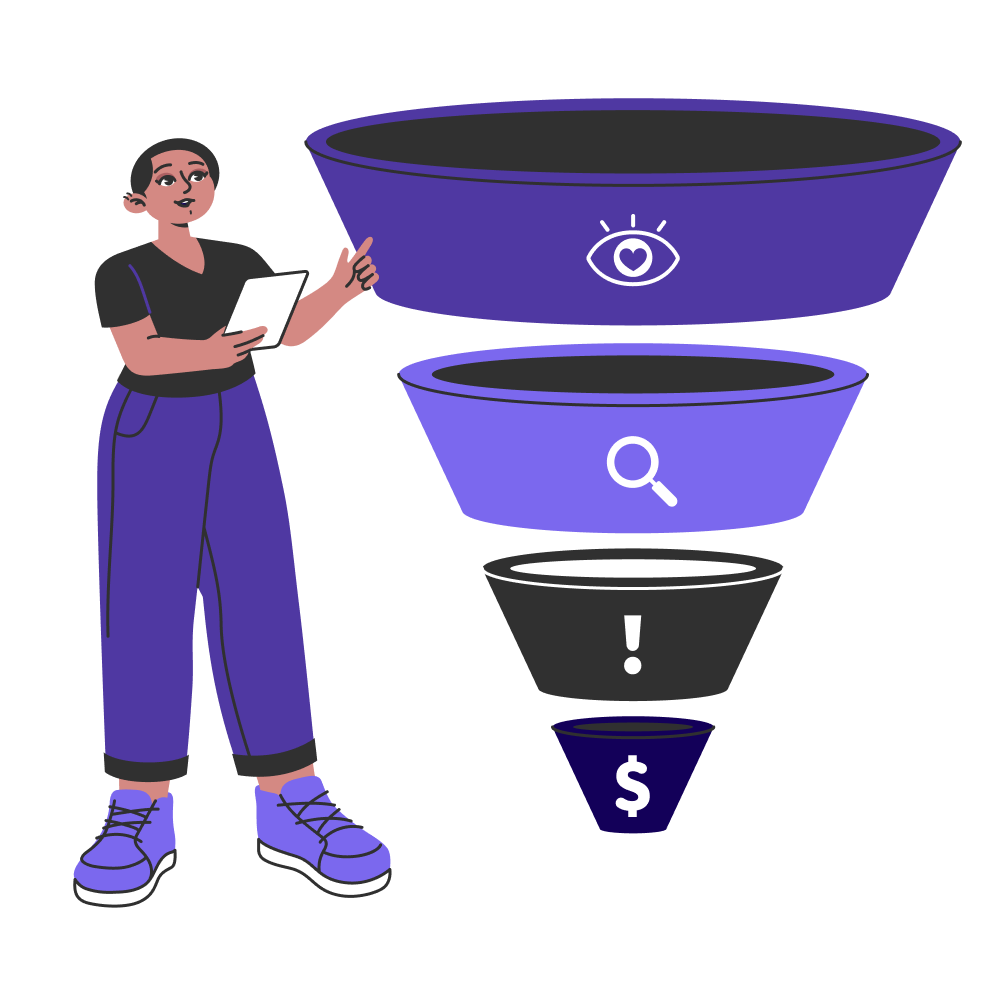
While the sales funnel and marketing funnel are connected, they differ in purpose, scope and execution. Here are the main differences explained in detail:
The marketing funnel is designed to attract customers, create awareness and nurture leads until they are ready to be handed over. It focuses on brand visibility, lead generation and trust-building,
The sales funnel focuses on converting qualified leads into paying customers. Its purpose is to guide prospects through the sales process, close deals and build long-term customer relationships.
The marketing funnel addresses a broad target audience and target market, often including people who may not yet be ready to buy. It engages prospective customers at the awareness stage and gradually narrows down to qualified leads.
The sales funnel deals with a much narrower audience—sales qualified leads who have shown intent or interest in buying. The sales team works directly with them to understand customer needs and preferences.
The marketing funnel typically consists of stages like awareness, interest, consideration, conversion and loyalty. It also includes retention activities like loyalty programs to keep existing customers engaged.
The sales funnel consists of awareness/interest, evaluation/consideration, decision/action and often post-sale nurturing. Each funnel stage is focused on moving leads through the sales pipeline toward becoming high value customers.
In the marketing funnel, activities include content marketing, digital marketing, inbound marketing, social media advertising, landing pages, customer testimonials and email campaigns. These marketing techniques are used to nurture leads at scale.
In the sales funnel, activities are more personal. Sales reps conduct calls, demos, proposals, negotiations and follow-ups. They rely on sales automation tools to manage the sales process and improve efficiency.
The marketing funnel is managed by the marketing team and marketing departments. Their goal is to generate leads and ensure customer acquisition costs stay low.
The sales funnel is managed by the sales team. Sales reps are responsible for converting qualified leads, closing deals and collecting customer feedback to strengthen future sales efforts.
Marketing funnels are measured using funnel metrics like impressions, click-through rates, landing page conversions, number of leads generated, campaign performance and customer acquisition costs (tracked using tools like Google Analytics).
Sales funnels are measured with conversion rates, number of closed deals, average deal size, time spent in each funnel stage, repeat purchases and customer satisfaction levels.
Marketing funnels rely on marketing automation software, campaign tracking tools, Google Analytics, landing page builders and social media platforms. These tools help attract customers and nurture prospective leads.
Sales funnels rely on CRM systems, sales automation tools, pipeline management software and reporting dashboards that give visibility into sales efforts and progress.
The marketing funnel helps generate leads, create awareness, and prepare qualified leads for the sales process. It ensures marketing and sales efforts are aligned by providing high-quality leads.
The sales funnel turns those qualified leads into paying customers, nurtures them into loyal customers and drives business growth by creating long-term value from customer relationships.
Aspect | Marketing funnel | Sales funnel |
Purpose | Attract customers, nurture leads and hand over qualified leads | Convert qualified leads into paying customers and loyal customers |
Audience | Prospective customers and wide target audience | Narrower group of sales qualified leads |
Stages | Awareness stage → Interest → Consideration → Conversion → Loyalty programs | Awareness/Interest → Evaluation/Consideration → Decision/Action → Post-sale nurturing |
Activities | Marketing campaigns, social media ads, content marketing, inbound marketing, digital marketing, landing pages, marketing automation | Sales calls, demos, proposals, negotiations, follow-ups, managing sales pipeline, sales automation |
Owned by | Marketing team and marketing departments | Sales team and sales reps |
Key metrics | Funnel metrics like impressions, clicks, website traffic, leads generated, customer acquisition costs, campaign performance (Google Analytics) | Funnel metrics like conversion rate, closed deals, sales pipeline progress, customer feedback, deal size, repeat sales |
Outcome | Generate leads, improve brand awareness, reduce marketing and sales efforts waste, nurture prospective customers | Close deals, turn new customers into high value customers, create loyal customers, drive business growth |
Even though the sales funnel and the marketing funnel have different goals, they are two halves of the same customer journey. If marketing and sales teams work in isolation, leads fall through the cracks, funnel metrics get misreported and customer acquisition costs increase. To get the most out of both funnels, businesses need to create a smooth handover between marketing and sales efforts.
Marketing teams should not just pass every lead to sales. Instead, they need to qualify leads based on funnel metrics such as engagement on landing pages, responses to marketing campaigns or interest shown through customer feedback. When a lead meets these criteria, it becomes a marketing qualified lead (MQL) and is passed to the sales team as a sales qualified lead (SQL). This ensures sales reps spend their efforts on prospects who are more likely to convert.
Both marketing funnel stages and sales funnel stages should be mapped together. For example, when prospective customers move from the awareness stage to the consideration stage, the marketing team can notify sales reps through marketing automation tools or CRM triggers. This way, sales efforts start at the right moment and are backed by context about customer needs and preferences.
Marketing departments track campaign performance using tools like Google Analytics, while sales teams measure deal progress in the sales pipeline. By sharing data, both teams can see the complete picture: which marketing channels generate leads that convert, which sales reps close faster and where prospects drop off in the funnel. This joint analysis helps refine both marketing strategies and sales processes.
Sales automation and marketing automation can work together to ensure no lead is missed. Marketing automation nurtures leads through email campaigns, social media advertising and inbound marketing, while sales automation alerts sales reps when a lead is ready for follow-up. A CRM system acts as the bridge, tracking every touchpoint and giving visibility to both marketing and sales teams.
The sales team is closest to prospective and existing customers, hearing their objections, pain points and reasons for buying. Feeding this information back to the marketing team helps improve content marketing, marketing campaigns and landing pages. In return, marketing insights about funnel metrics and customer behaviour help sales reps personalise their sales efforts and target the right audience more effectively.
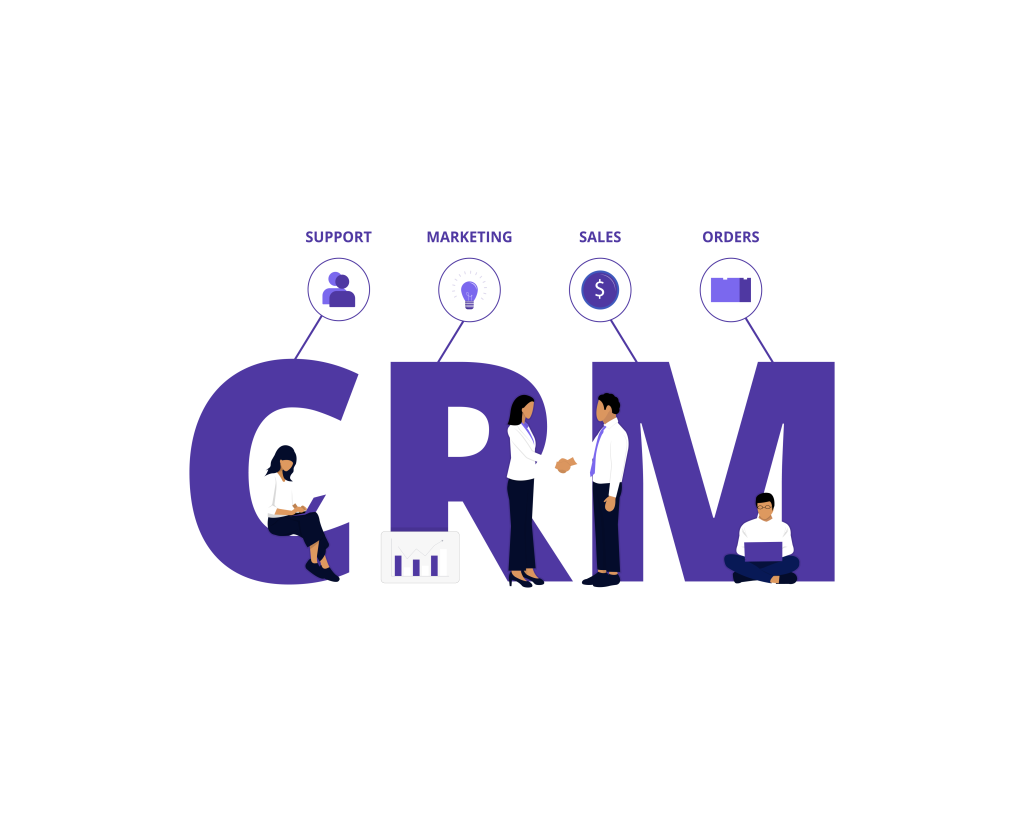
A CRM is more than just a database of contacts. It acts as the bridge that connects the marketing funnel and the sales funnel, giving both teams complete visibility of the customer journey. When used effectively, a CRM helps businesses reduce gaps between marketing efforts and sales efforts, ensuring that no lead is lost in the process.
A CRM collects leads from multiple marketing channels such as social media ads, landing pages, content marketing and email campaigns. Instead of scattered spreadsheets, every prospective customer enters the system with complete details. This ensures that marketing teams can track funnel metrics from the first awareness stage without manual errors. Tools like Telecrm go a step further by capturing leads directly from ads and forms so nothing slips through the cracks.
Related Read: Integrate Ads with CRM: A Complete Guide for Meta & Google Ads
With CRM automation, marketing departments can score leads based on activity, behaviour and engagement. For example, if a lead downloads a whitepaper, visits landing pages multiple times or engages with marketing campaigns, the CRM can mark them as a marketing-qualified lead. Marketing automation features allow the team to nurture leads with personalised follow-ups until they are ready for the sales process.
The CRM ensures a seamless transition from marketing to sales. Once leads become qualified leads, the CRM notifies the sales team. Sales reps can then see the complete history of marketing interactions, including campaigns clicked, customer preferences and funnel stage. This context helps the sales team approach prospective customers with the right message at the right time. With Telecrm, this handoff happens in real time, so sales reps never miss a hot lead.
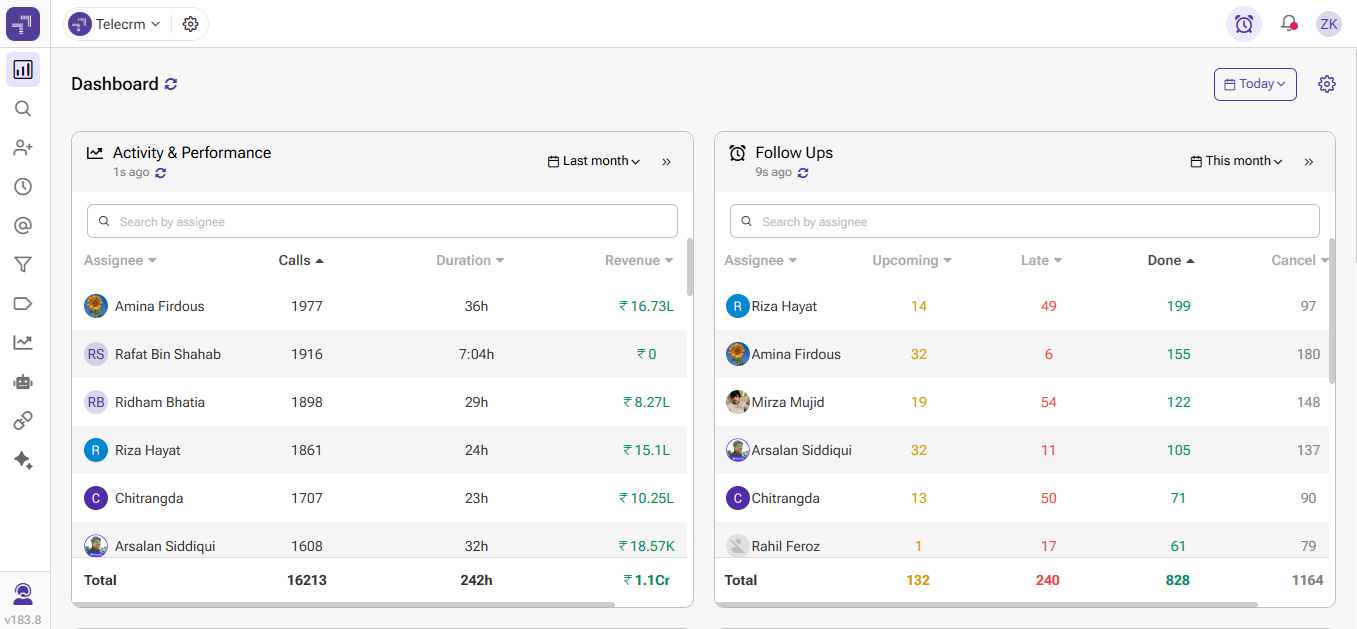
For the sales funnel, the CRM acts as a real-time dashboard. Sales reps can move leads through the sales pipeline, log conversations, schedule follow-ups and use sales automation to avoid repetitive tasks. Managers can view funnel metrics such as conversion rates, time spent in each stage and reasons for drop-offs. With Telecrm’s built-in calling and WhatsApp features, these steps happen inside one platform, making the sales process faster and more transparent.
CRMs come with reporting tools that combine data from both marketing and sales funnels. Marketing teams can track customer acquisition costs, campaign ROI and inbound marketing performance. Sales teams can track average deal size, customer feedback and repeat purchase rates. Together, these insights highlight which marketing efforts and sales efforts bring in high-value customers and which areas need optimisation.

Both the marketing funnel and the sales funnel play a vital role in guiding prospective customers to become paying and loyal customers. The marketing funnel helps attract customers, nurture leads and prepare them for the sales process, while the sales funnel takes qualified leads and converts them into high-value customers through direct engagement. Treating them as two separate but connected systems allows marketing and sales teams to work in sync, reduce customer acquisition costs and improve business growth.
A CRM ties sales and marketing teams together. With features for lead capture, nurturing, sales pipeline tracking and reporting, it ensures that every stage of the customer journey is visible and measurable. When marketing efforts and sales efforts are aligned through one platform, businesses can generate leads more effectively and close deals faster.
If you are looking for a simple way to connect your marketing funnel and sales funnel, Telecrm can help. It gives you all the tools to manage leads, automate follow-ups and track both funnels in one place so your team never loses sight of what matters most — converting prospects into loyal customers.



© Copyright 2025 Telecrm.in - All Rights Reserved • Privacy Policy • T&C



© Copyright 2025 Telecrm.in - All Rights Reserved • Privacy Policy • T&C